
ERPNext v16: What’s New, Latest Features, and Updated Release Date
Jan 8, 2026

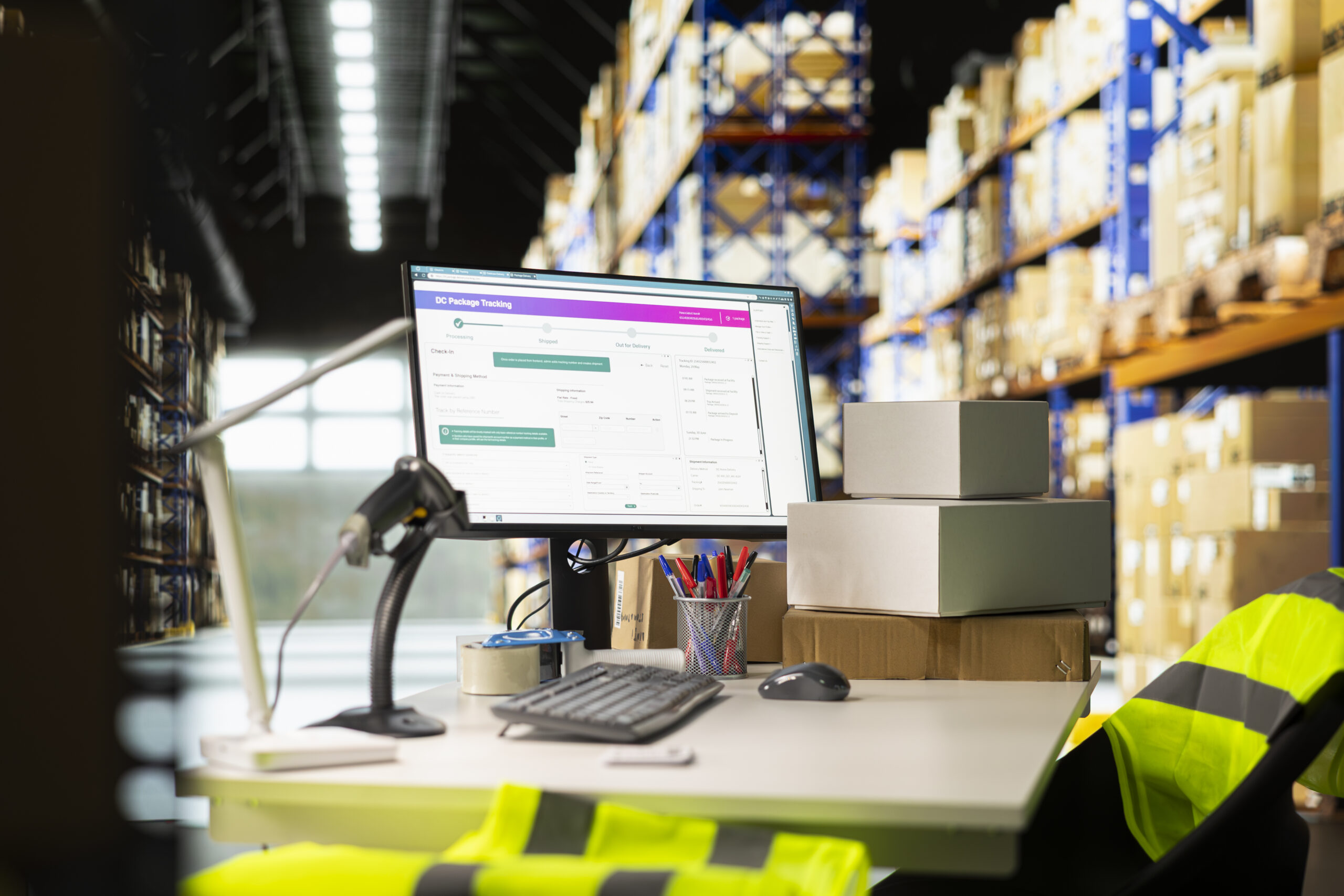
Running a factory floor in the UAE today looks nothing like it did five years ago. Machines communicate with software. Production data updates in real time. The manufacturers who are winning aren’t the ones with the biggest budgets; they’re the ones with the smartest systems. We work with manufacturing businesses across the UAE, and we keep seeing the same pattern. Plants that switch to a connected ERP system cut delays, reduce waste, and finally get a clear picture of what’s happening on their shop floor. This is where ERPNext manufacturing automation changes the game.
In this guide, we’ll walk you through how UAE manufacturers are using ERPNext to build smart factories, what a smart factory actually means, and how you can start moving toward one without turning your operations upside down.
A smart factory is a production facility where machines, software, and people share data automatically instead of relying on manual updates and guesswork. Sensors track machine performance. Systems flag issues before they cause downtime. Managers see production status on a screen instead of walking the floor to find out. This isn’t science fiction anymore. It’s the foundation of Industry 4.0, and it’s becoming standard across manufacturing ERP software used in the UAE. The goal isn’t to replace your workers with robots. It’s to give your team better information so they can make faster decisions.
Labor costs are rising. Customers expect faster delivery. Competition from regional and international manufacturers keeps growing. According to the UAE Ministry of Industry and Advanced Technology (MoIAT), the country aims to increase industrial sector’s contribution to GDP from AED 133 billion to AED 300 billion, and that push relies heavily on digital transformation across factories. We’ve seen manufacturers in Dubai, Sharjah, and Abu Dhabi adopt smart manufacturing strategies for one simple reason: their old systems couldn’t keep up. Spreadsheets don’t talk to each other. Paper-based work orders get lost. Nobody has real-time visibility into what’s actually happening on the shop floor. An ERP system for manufacturers fixes this by pulling every part of your operation into one connected platform.
ERPNext isn’t just accounting software with a manufacturing label slapped on it. It’s built with a dedicated ERPNext manufacturing module that handles the full production cycle from planning to delivery. Here’s how it works in practice.
Production planning fails when it’s based on outdated data or gut feeling. ERPNext pulls live inventory, sales orders, and capacity data to build production plans that match what your factory can actually deliver. You avoid overcommitting to orders you can’t fulfill on time.
Every product needs a clear list of raw materials, components, and quantities. ERPNext’s bill of materials (BOM) tool keeps track of multi-level BOMs automatically, so when you change one component, the system updates costs and requirements across every product that uses it. You won’t be stuck recalculating spreadsheets by hand every time a supplier changes prices.
Work order management in ERPNext tracks each job from the moment it’s created to the moment it’s completed. Operators log progress directly into the system. Supervisors see exactly which jobs are running behind. This alone eliminates most of the confusion that slows down traditional shop floor management.
This is where manufacturing workflow automation really shows its value. ERPNext connects with shop floor terminals so operators can log start times, stoppages, and completions as they happen. Managers get real-time production monitoring instead of waiting for end-of-shift reports.
ERPNext supports machine data integration, which means you can track equipment usage and flag maintenance needs before a breakdown happens. Predictive maintenance saves you from costly unplanned downtime, which according to Deloitte’s manufacturing research can cost plants thousands of dollars per hour depending on the industry.
Quality control checkpoints get built directly into your work orders. If a batch fails inspection, the system flags it immediately instead of letting it move further down the production line. This reduces rework and keeps your defect rates low.
| Benefit | What It Solves |
| Centralized data | No more switching between spreadsheets, emails, and paper logs |
| Real-time visibility | Managers see production status instantly, not at end of shift |
| Inventory optimization | Raw material stock stays aligned with actual production needs |
| Supply chain automation | Purchase orders trigger automatically when stock runs low |
| Manufacturing analytics | Reports show bottlenecks and inefficiencies you can actually fix |
| Scalability | The system grows with your factory instead of holding it back |
We’re Wahni IT Solutions, and ERPNext implementation is what we do all day, every day. We don’t believe in dropping software on your team and walking away. Our team maps out your existing production workflow first, then configures ERPNext around how your factory actually runs. We handle the full journey with you. That includes production planning setup, BOM configuration, work order automation, and integration with your existing machines where possible. We also train your team so they’re confident using the system from day one, not lost in a new interface. Digital manufacturing businesses don’t need a system that just looks good on paper. They need one that cuts down daily headaches and delivers results you can actually measure within months, not years. That’s the bar we set for every ERPNext manufacturing automation project we take on in the UAE.
If two or more of these sound familiar, it’s time to talk about ERPNext.
If you’re ready to see what ERPNext manufacturing automation could look like on your shop floor, reach out to us at Wahni IT Solutions for a straightforward ERPNext consultation, planning, and implementation session. We’ll show you where the gaps are and how to close them.
ERPNext manufacturing automation ties together production planning, inventory, work orders, and quality control in one system that updates in real time. Instead of tracking each stage manually on paper or spreadsheets, the software moves data between departments automatically, which cuts down on errors and helps you make decisions faster across the whole production cycle.
It depends on how big and complex your factory is, but most mid-sized UAE manufacturers get a working system up in 8 to 12 weeks. That window covers workflow mapping, BOM setup, staff training, and testing before you go live, so the system actually matches how your production floor runs instead of following some generic template.
Yes. ERPNext connects with machine data through APIs and IoT, so factories can pull real-time equipment data straight into the system. That opens the door to predictive maintenance alerts and production monitoring, and you don’t need to rip out and replace your existing hardware to get there, which makes it a realistic option for factories upgrading older equipment step by step.
It’s a solid fit for small and medium manufacturers because it’s modular. You implement what you need right now and add more down the line. That keeps your upfront costs in check while still leaving room for Industry 4.0 features as your production volume and complexity grow.
ERPNext is open source and easy to customize, so it bends to fit your actual production process instead of forcing you into a rigid workflow. A lot of traditional manufacturing ERP software locks you into pricey licensing and limited configuration options, whereas ERPNext hands manufacturers more control over both cost and functionality.




Written by Wahni IT Solutions – Streamlining Retail Operations in the UAE with Smart ERPNext Solutions.


